
The Real Gold in Life Is Health
I have spent the past five weeks relearning a lesson I thought I already understood.
On Christmas Day, I was hit by shingles. Not mildly. Not inconveniently. Properly.
For those unfamiliar with what shingles actually is, it isn’t simply a rash. It’s the reactivation of the chickenpox virus, lying dormant in the body for decades, which attacks the nervous system. In my case, it meant nerve pain that radiated across my body, unresponsive to ordinary pain relief, accompanied by exhaustion so complete it felt as though the plug had been pulled. I’m a relatively fit seventy-two-year-old — an active walker, a sportsman, someone used to long days on the hills — and it laid me low. Not slowed me down. Stopped me.
A rash that blistered. Pain that wrapped itself around my body and refused to loosen its grip. Days blurred into one another. Nights were worse. I cycled through medications I never expected to take — painkillers, antidepressants, things prescribed not for sadness but for nerve pain that doesn’t respond to ordinary logic.
For much of that time, I could do nothing. And I mean that quite literally. No writing. No walking. No thinking clearly. Just existing, from one uncomfortable hour to the next.
When that happens, you discover something uncomfortable about yourself.
You realise how much of your sense of purpose — even your identity — is tied up in doing. In producing. In being useful. In moving forward. Take that away, and what’s left is very bare indeed.
I had plenty of time to reflect, not because I chose to, but because I had no alternative.
And the conclusion I kept returning to was this: we place extraordinary value on the wrong things.
We worry about money, possessions, status, plans, projects, ambitions — all the scaffolding we build around a life. Yet the moment your health falters, all of it becomes strangely irrelevant. Without health, none of those things can be enjoyed, pursued, or even properly cared about.
Health isn’t something we admire. It’s something we assume.
Until it’s gone.
Today — 28th January — is the first day I’ve genuinely felt like doing anything again. Not a dramatic recovery. Not a sudden return to normal. Just a quiet sense that the fog has begun to lift.
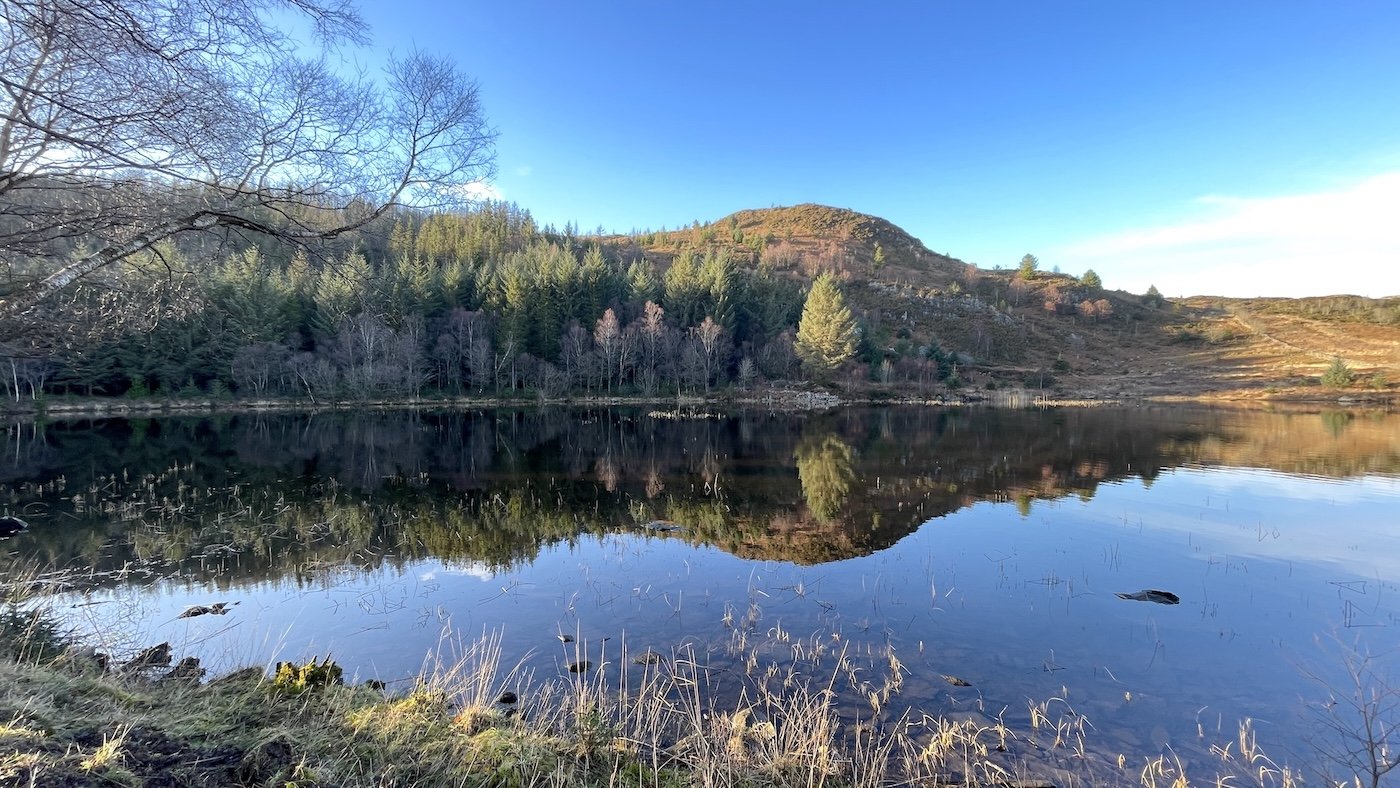
This morning I went for a walk in the forests of Snowdonia, where I live. Slowly. Gently. No targets. No distance goals. Just putting one foot in front of the other.
The air was cold and clean. The trees stood exactly where they always have. The path didn’t care how productive I’d been over the past month. And for the first time in weeks, my body didn’t feel like an adversary.
There is something profoundly restorative about being in a place that asks nothing of you.
No optimisation. No improvement. No output.
Just presence.
We talk endlessly about wealth — financial security, assets, safety nets. But the real gold in life is far less glamorous and far more fragile. It’s the quiet ability to wake up without pain. To walk without thinking about it. To make plans without calculating what your body might allow.
I won’t pretend this experience has turned me into a saint or a sage. Habits return. Worries creep back. The world has a way of reclaiming our attention.
But for now, I’m holding on to this truth:
Without health, we have nothing.
With it — even modestly restored — almost everything else becomes possible again.
And if there is any therapy better than a slow walk through a winter forest, I haven’t found it yet.