

Plato’s Cave, Now Streaming in 4K
After Socrates drank hemlock, Plato cleaned up the talk—philosopher, organizer, and the man who turned chaos into curriculum. If Socrates was a street busker, Plato built the concert hall.

A Death Without Compassion
When power rushes to certainty before evidence — and compassion is treated as expendable — belief replaces thought, and a human life disappears from view.
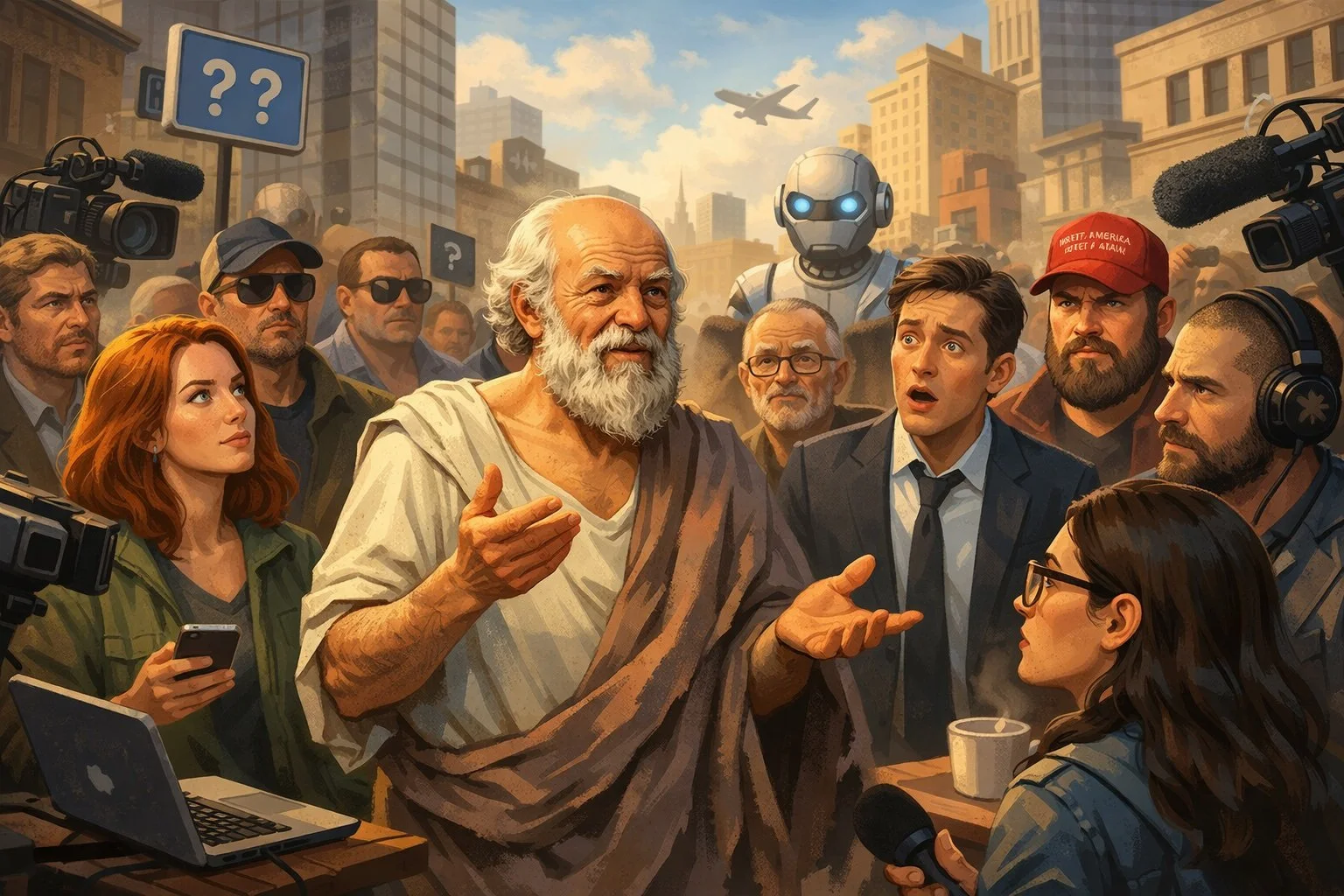
The Dangerous Art of Asking Questions
Socrates perfected the art of irritating people by asking endless questions. It’s a great way to understand but in his case it annoyed too many people and he paid with his perceived annoyance with his life.

The Man Who Tried to Save the World with Good Manners
Everyone wants a better world, but most of us hope someone else will sort it out. Confucius had a better idea. He said order starts close to home — in how we speak, act, and treat one another.

How a Triangle Changed Everything
The world seems chaotic: noise without rhythm, movement without meaning. Pythagoras saw otherwise. He found pattern and proportion — everything as number: harmony hidden in motion, maths beneath music, patterns behind every note, shape and star.

The Man Who Thought Everything Was Made of Water
The world once seemed senseless: storms, plagues, misfortune blamed on angry gods. Thales proposed a different idea — the universe governed by observable forces, not moods. He argued everything arose from water. It sounds odd now, but it was the first attempt to explain the world without Olympus — the birth of reason from a single question: “Shall we think about it?”
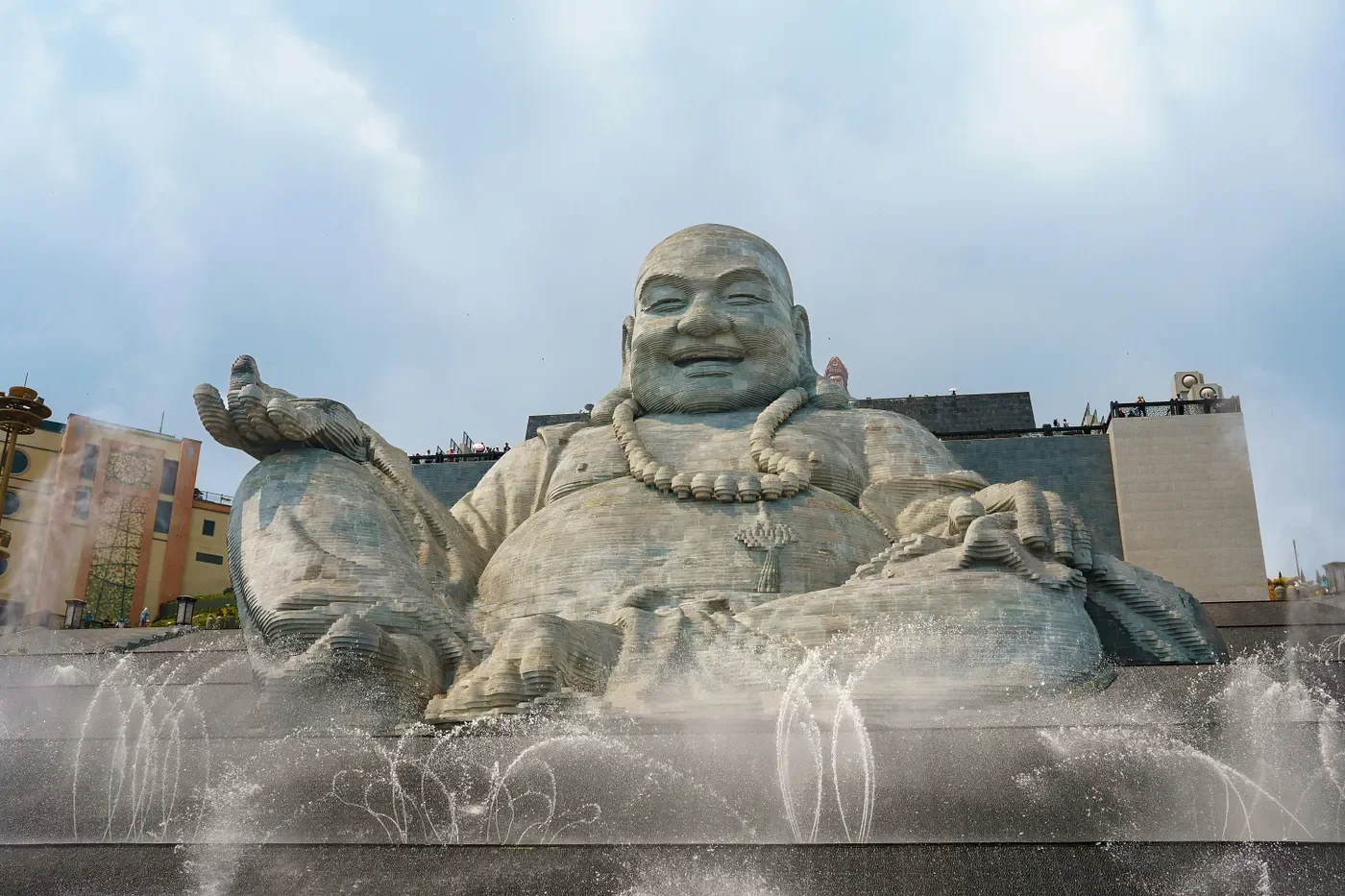
The Buddha
Before Plato built his Republic or Descartes began doubting his own existence, the Buddha was already onto something: that maybe the mind is both the problem and the key.

A Beginning
At the time of writing, I have lived long enough to know that certainty is rarely what it seems. The years have a way of softening conviction and sharpening curiosity.

The Future Never Arrives
We spend much of our lives waiting. Waiting for the right time, the next opportunity, the moment when life will finally begin. But here’s the hard truth: the future never arrives. When it comes, it isn’t the future anymore — it’s just today.
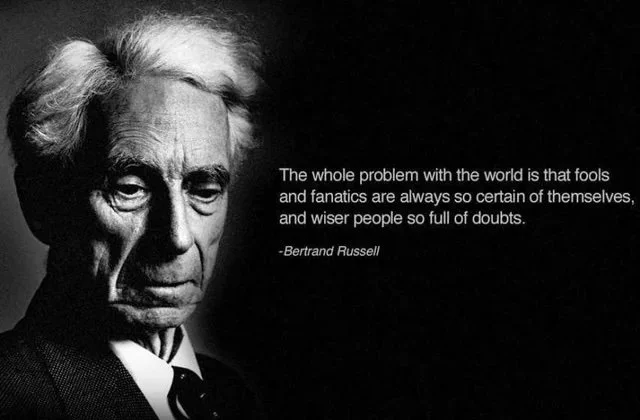
Russell Warned Us About Fools and Fanatics
I’ve been interested in philosophy and the meaning of life for decades. One philosopher I admire greatly is Bertrand Russell. Born in south Wales and buried a few miles from my home in north Wales.
Wittgenstein in the Age of Social Media
Wittgenstein wrote one of the most challenging books on philosophy to read. This is a simple guide.
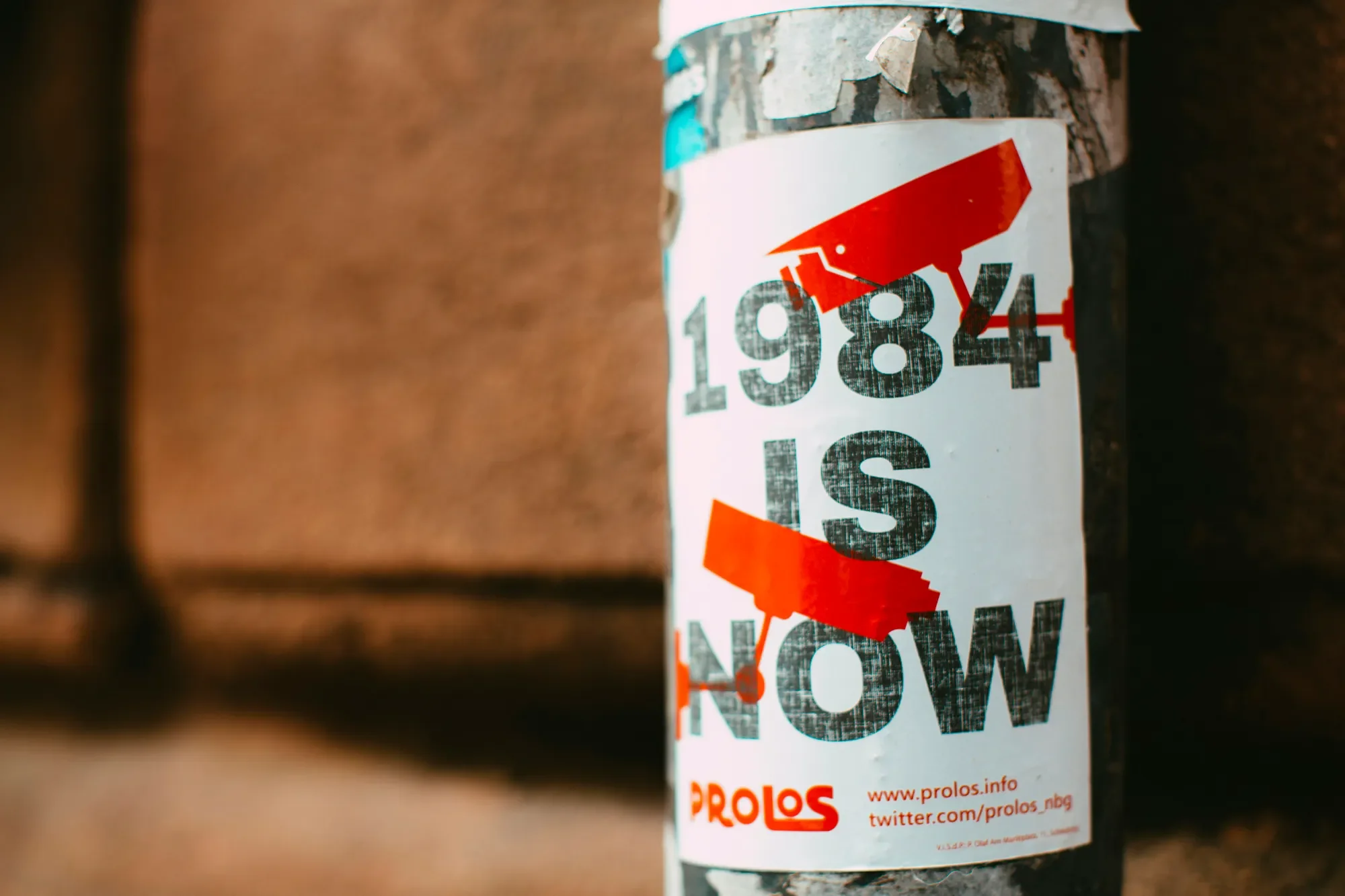
Orwell in the Age of Trump
In 1949 George Orwell wrote what many consider his masterpiece, 1984. What can it teach us about what’s happening in the world today?
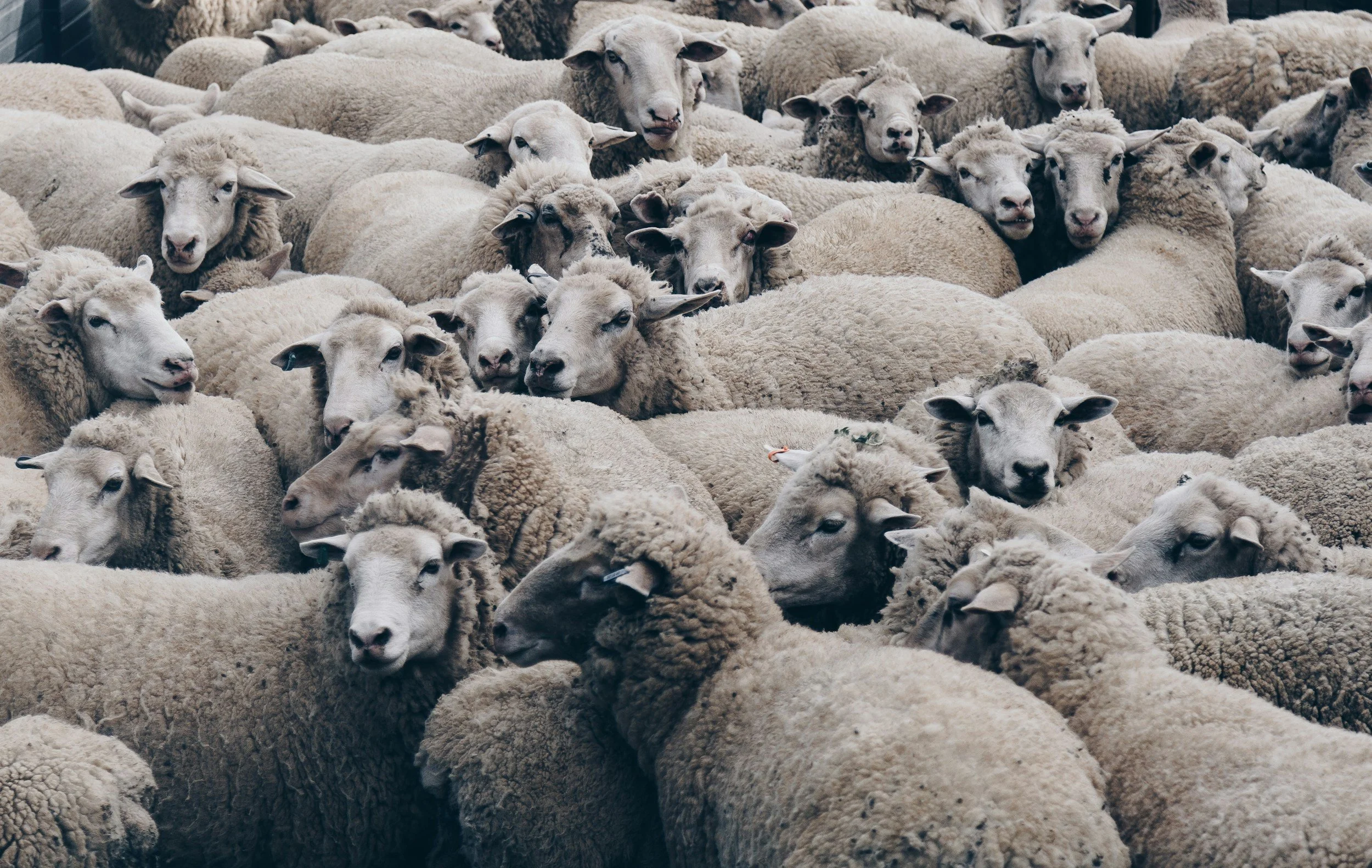
The Age of Collective Stupidity
I lived through the dotcom bubble — hype and “expert” consensus shot stocks sky-high. I sold early and was called crazy… until the crash erased fortunes. In hindsight, it was global collective folly.
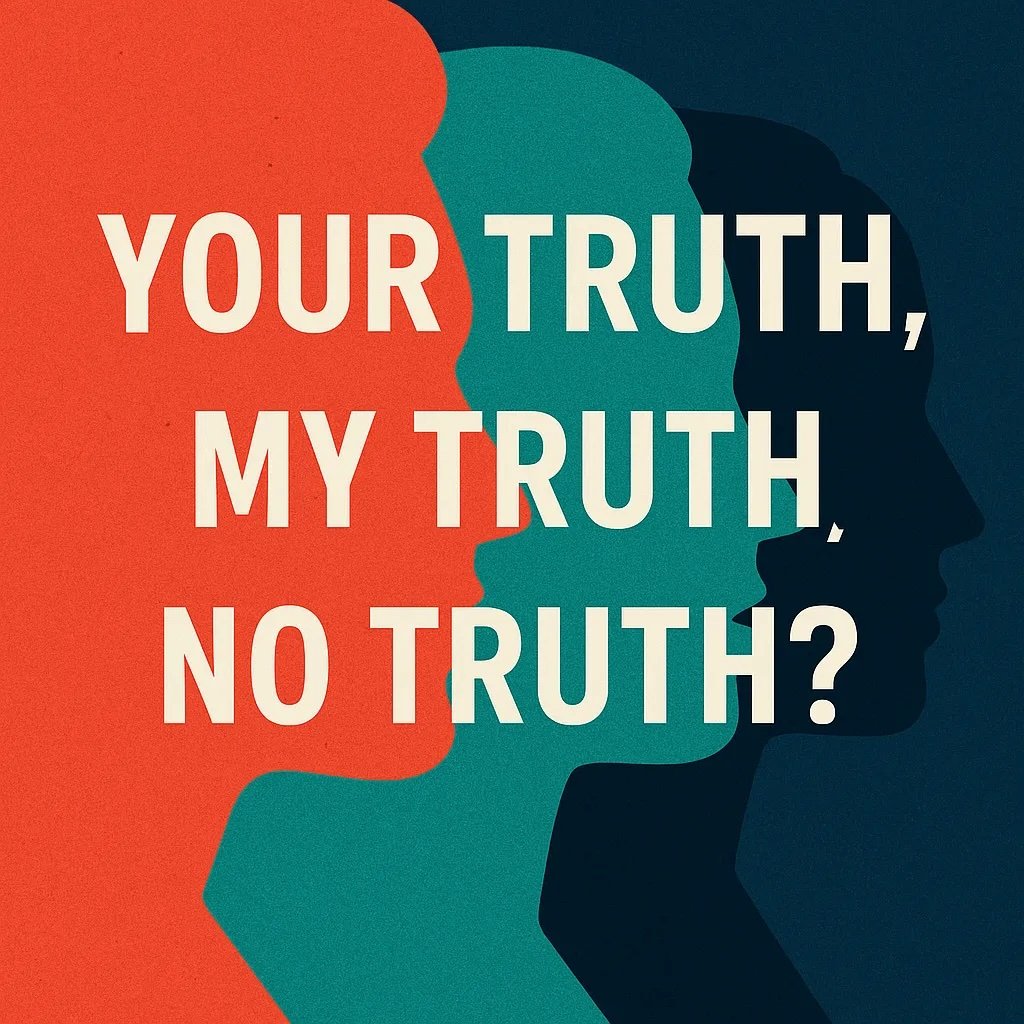
Your Truth, My Truth, No Truth?
In a world drowning in half-truths and curated realities, can we still agree on what’s true—or does truth even matter anymore?
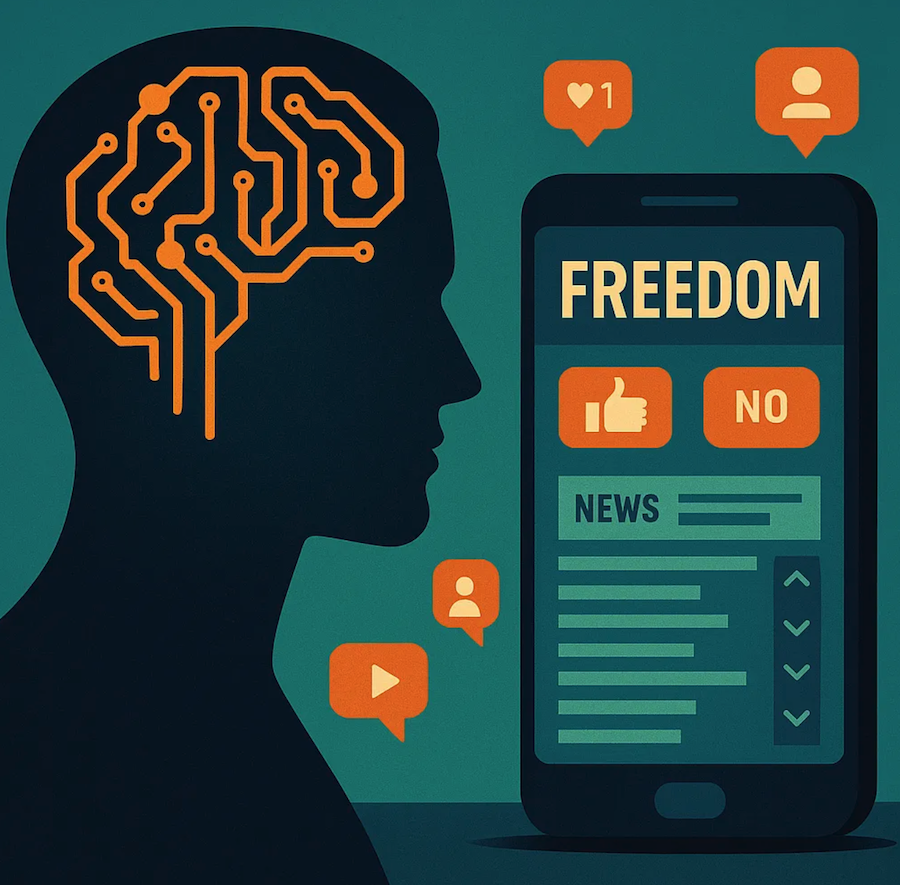
Freedom in a World of Algorithms
Are you truly free, or steered by unseen nudges? This piece examines how power now shapes us via algorithms, feeds, and distractions. Drawing on Rousseau, Berlin, Foucault, and Sartre, it asks: in a world built to predict and guide behavior, is freedom still possible? Stay curious. Question the feed. Real freedom begins when we think beyond what’s handed to us.
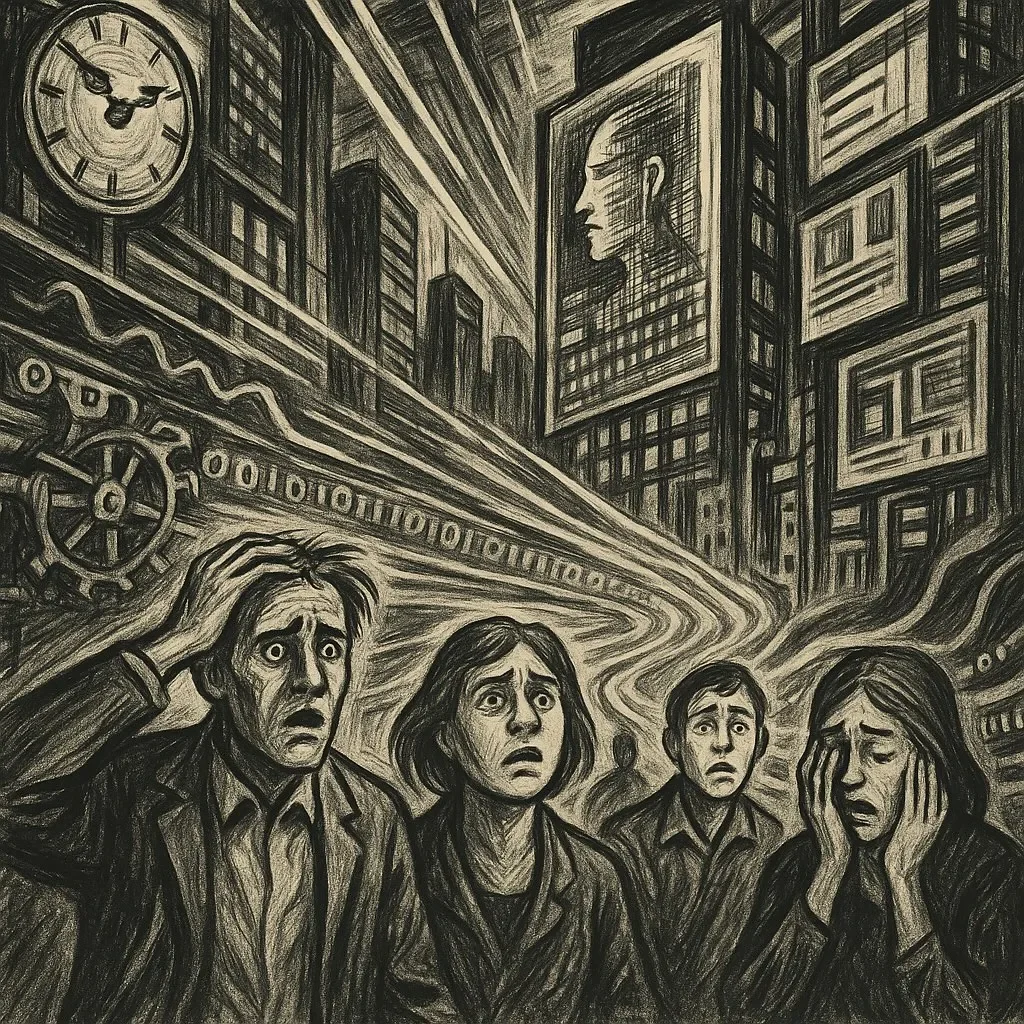
We Are the Future-Shocked
In 1972, as I went to university for economics and social psychology, I read Alvin Toffler’s Future Shock. Its warning that accelerating technological, social and psychological change would overwhelm people and societies — “too much change in too short a time” — stayed with me.

Gaza Lan Nunsa — لن نُنسى (We Will Not Be Forgotten)
Through a twelve-year-old’s eyes, this story records Gaza’s horrors and a fragile, defiant hope. Clutching a handmade book of family memories, Wahib writes: “We were here. We will not be forgotten.” In a world that looks away, this story refuses silence. Read and remember.
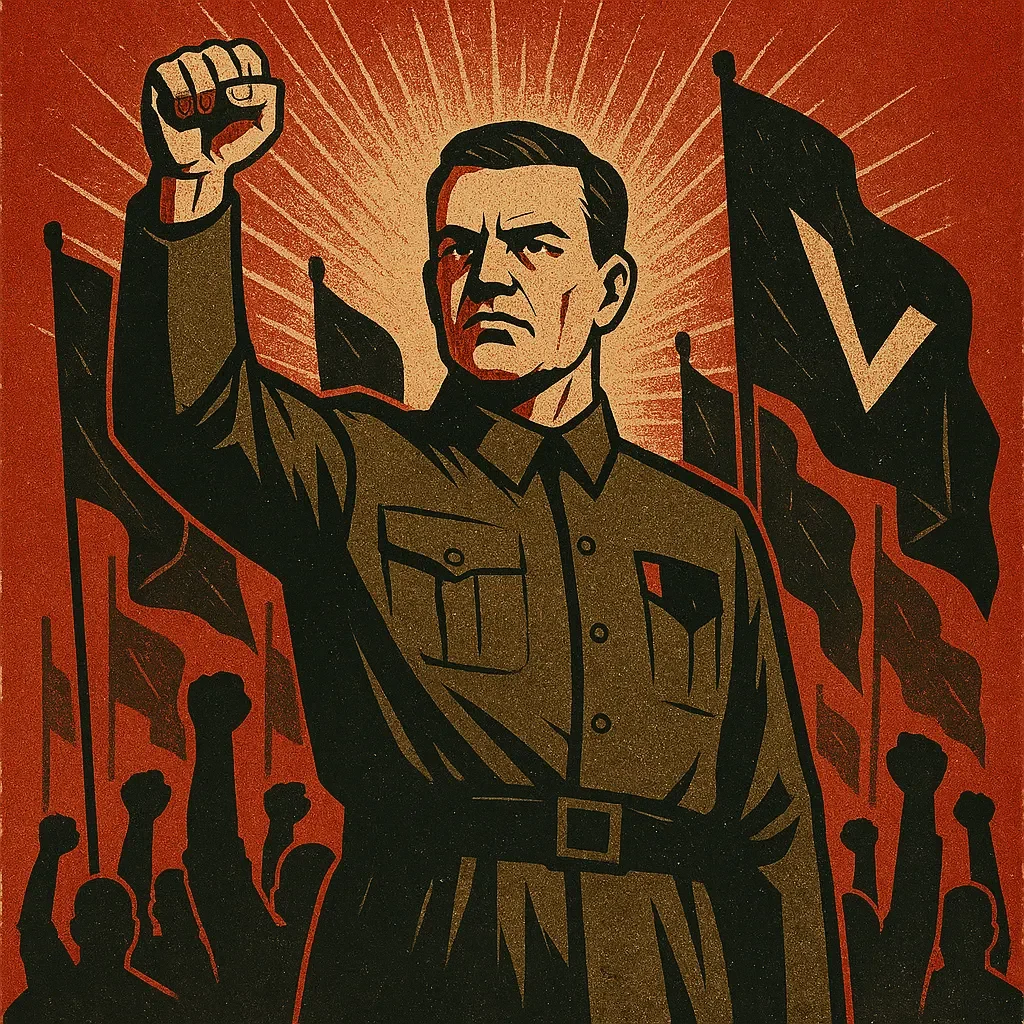
Strongmen and Soft Words
From euphemisms and slogans to sentimental appeals, modern authoritarianism often arrives in language that sounds soothing — even noble. But beneath the softness lies something more sinister.

A Philosophical Journey of Self-Discovery
University wasn’t just about textbooks and lectures for me. It was a portal to a whole new world.
The Meaning Wars
From “fake news” to “special military operations,” this is how political language is quietly reshaped to suit those in power — and why the change matters for how we understand truth and authority.