
A Death Without Compassion
On Belief, Power, and the Cost of ‘Certainty’
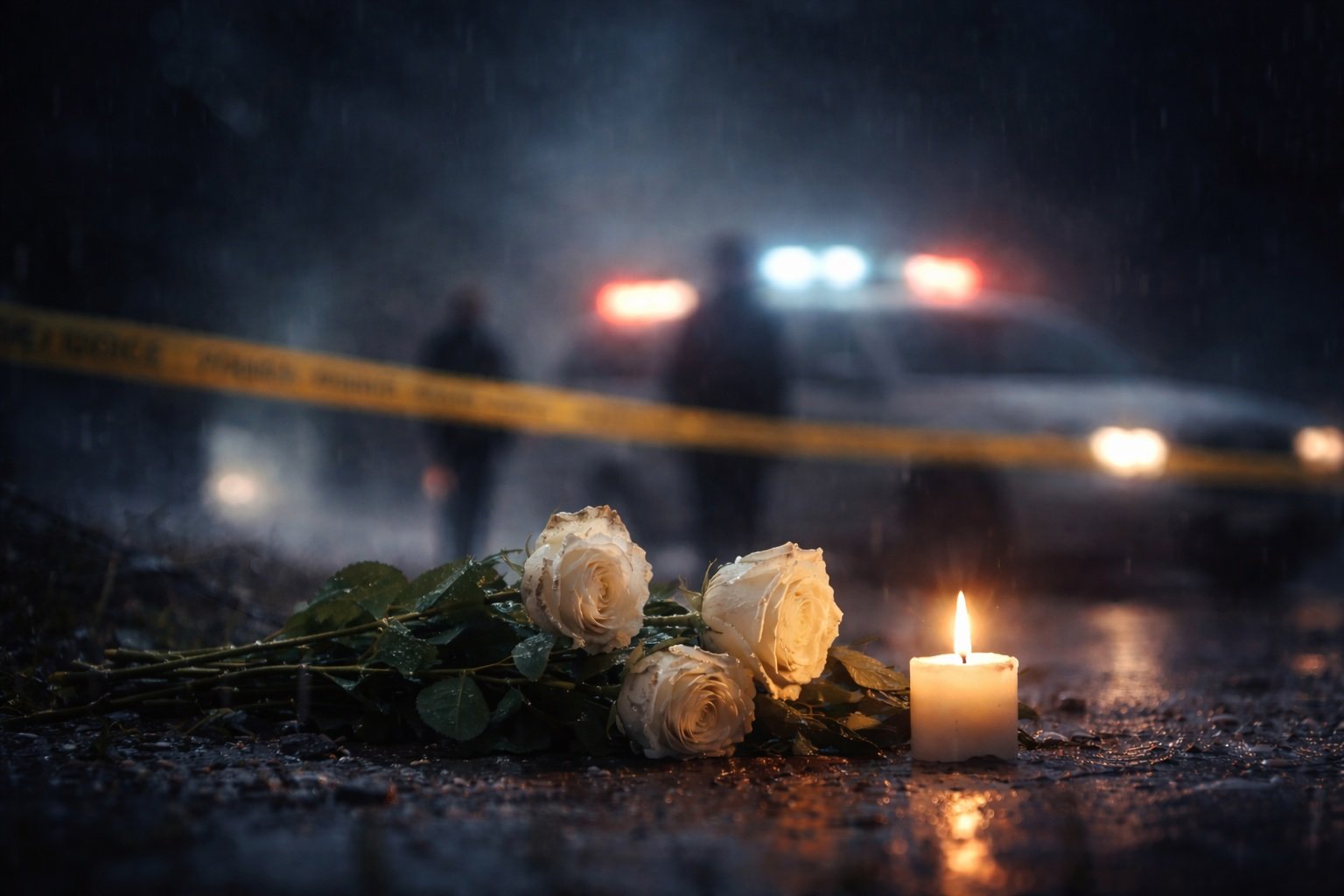
This isn’t one of my usual pieces. But when a human death is met not with care or restraint, but with instant accusation and political utility, silence begins to feel irresponsible.
Following the shooting involving ICE agents in Minnesota on 8 January, public reaction followed a familiar and disturbing pattern. Within minutes — before any meaningful investigation had begun — Donald Trump publicly blamed the victim and the “radical left”. The Vice President, J. D. Vance, echoed this narrative, asserting that the agent involved enjoyed “absolute immunity”. Other figures in positions of authority amplified similar claims.
These statements were made before facts were established, before evidence was examined, and before even the most basic questions had been asked.
What was perhaps most shocking, however, was not the speed of certainty, but the absence of humanity.
The victim was barely acknowledged as a person at all. Renée Nicole Good — a 37-year-old woman, a mother, a writer — was swiftly stripped of her humanity in public discourse. A personal tragedy was absorbed into the machinery of narrative and power, reduced to utility rather than loss.
In that moment, compassion was not merely absent — it was treated as irrelevant.
In the hours that followed, many people publicly questioned whether the killing amounted to a state-sanctioned act and called for the agent involved to be held accountable through due process. These concerns were not meaningfully engaged. Instead, senior figures spoke as though the matter were already resolved.
The response from the Department of Homeland Security reinforced this impression. Its head, Kristi Noem, publicly defended the actions of the agent and placed responsibility on the victim herself, suggesting that her own behaviour had effectively caused her death. This, too, occurred before any full investigation had been presented to the public.
The incident was captured on video. Yet even this did not settle the matter. The same footage was immediately framed in radically different ways, depending on political alignment — not examined carefully, but pressed into service of competing narratives. What should have been evidence became ammunition.
Whether the most serious accusations ultimately prove justified or not is beside the point. What matters is that scrutiny was foreclosed before it had even begun.
This is how people become disposable.
When power operates this way, lives cease to be ends in themselves. They become assets — deployed, framed, and discarded in the service of ideology. Belief replaces inquiry, loyalty replaces judgement, and empathy becomes an inconvenience.
Social media accelerates this collapse. Claims circulate rapidly, rewarded for emotional force rather than accuracy. Many accept them without examination. Few pause to ask: What do we actually know? What evidence exists? What is being omitted — and why?
This is not scepticism.
It is not independent thought.
It is belief filling the space where thinking should be.
Critical thinking requires effort. It requires restraint. It requires the humility to say I don’t know yet. Blind belief requires none of these things — only allegiance.
We should be wary of anyone who discourages questions, who demands certainty before evidence, or who treats human lives as expendable in the pursuit of power. History offers no shortage of warnings about where that leads.
We still have a choice.
We can slow down.
We can examine evidence.
We can refuse instant certainty.
And we can remember that before there is narrative, ideology, or power, there is a human life.
In a civilised society, that shouldn’t be too much to ask, should it?