
The ideas that shape us
Essays on history, thought and the human condition.

Read chronologically or by theme.
History· Philosophy · Culture
Thomas Hobbes: The Philosopher of Fear
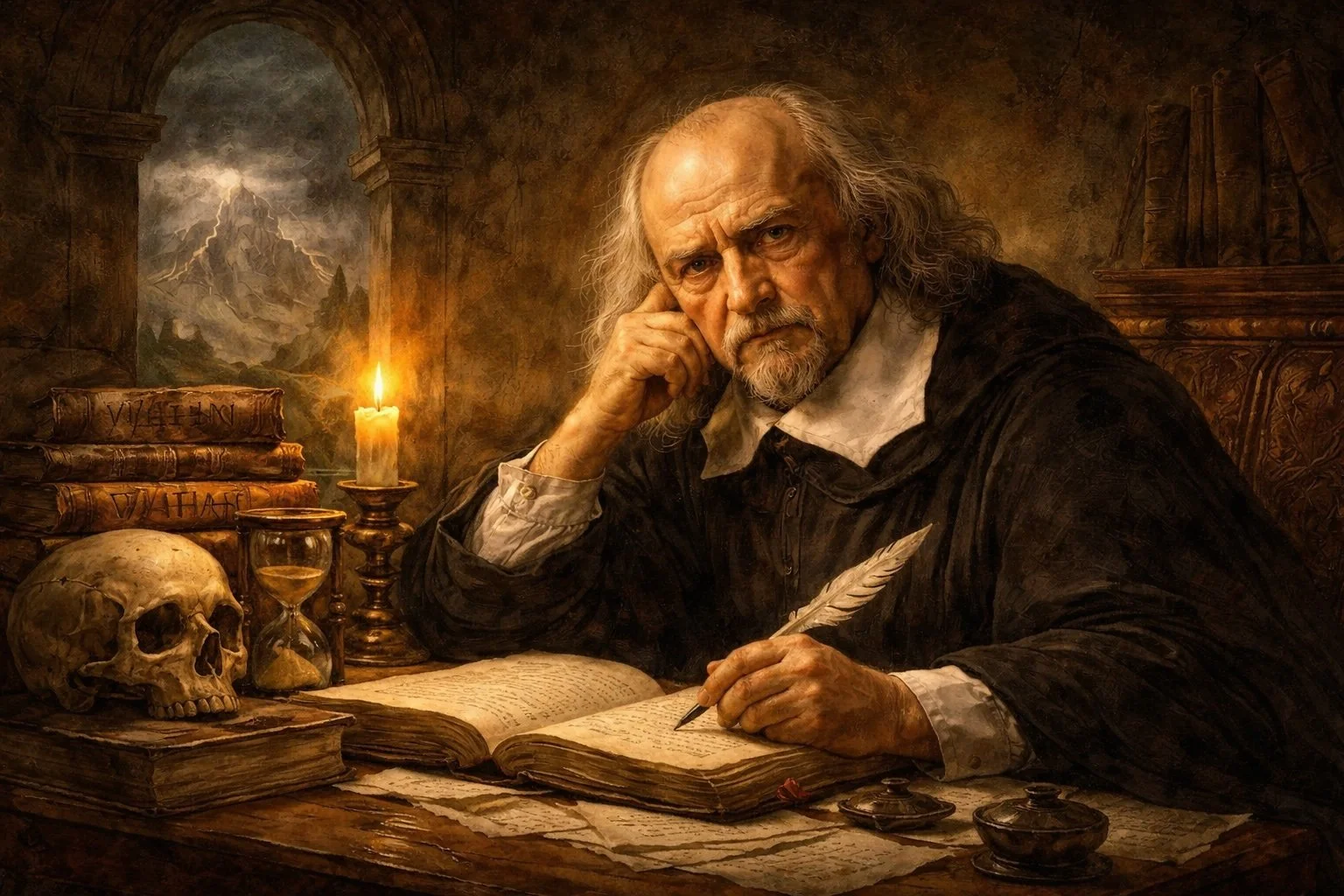
Hobbes thought civilisation exists for one clear reason: people can't be trusted with total freedom. Writing during the English Civil War, he said order needs a strong state to keep everyone in line. His grim view of human nature still influences how we see authority, security, and the fragile deal that holds modern society together.
Machiavelli: The Original Spin Doctor
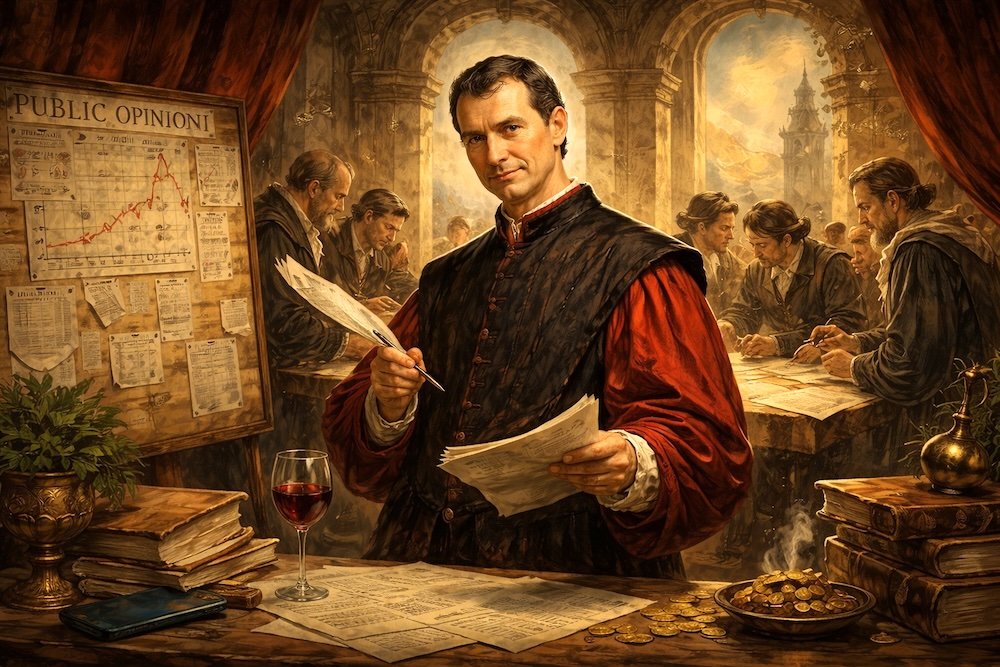
Niccolò Machiavelli was the man who taught politics to stop pretending it had morals. The original spin doctor, he replaced divine right with human cunning and turned survival into an art form.
What Has Become Normal
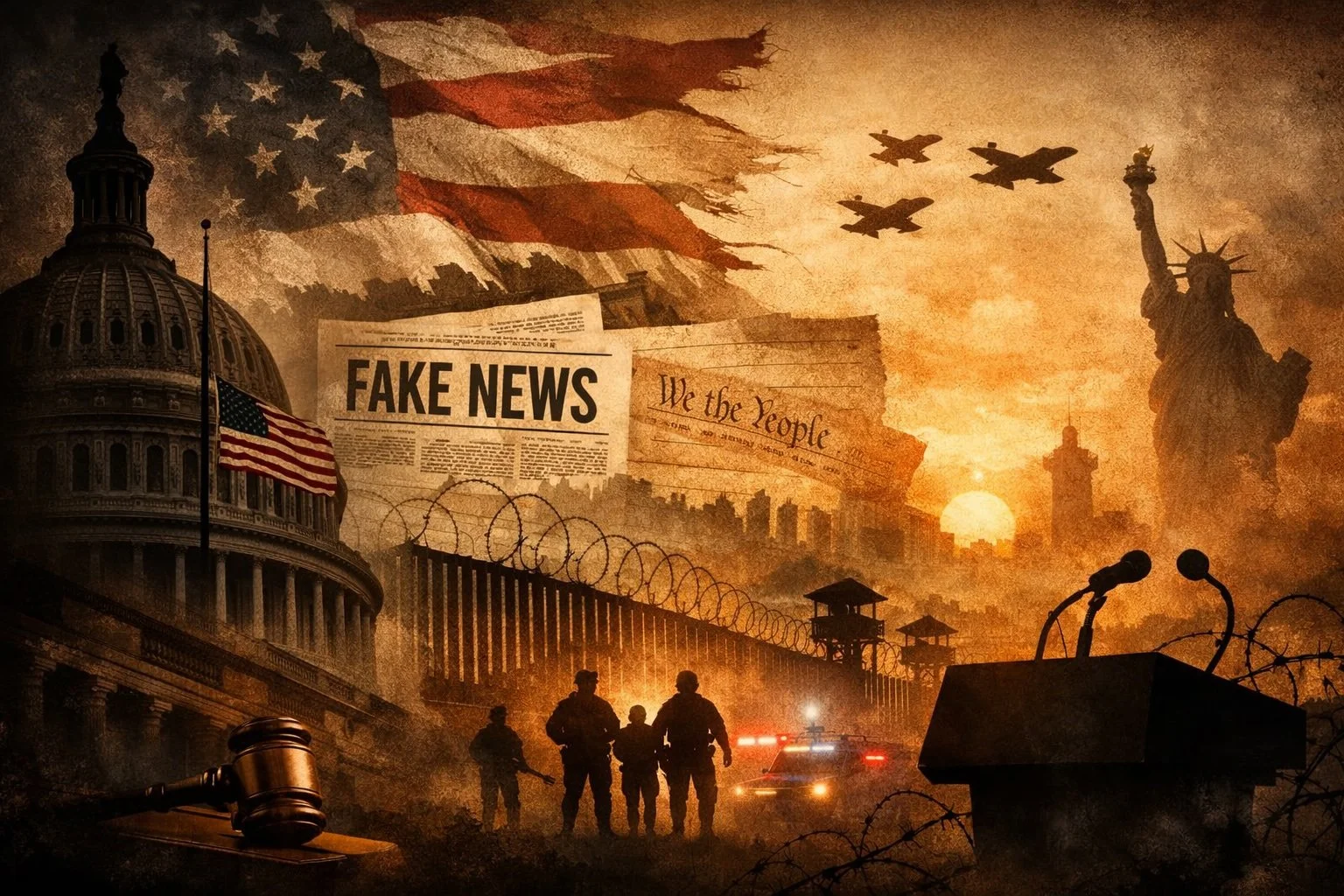
One of my most read essays in 2025 asked whether political patterns in the United States echoed darker moments in 1930’s Germany. A great deal has happened since then so it seems worth returning to the question to test it.
Democracy for Sale
There is a growing unease about the stability of Western democracies. While elections remain intact, money and digital amplification increasingly shape the tone, visibility, and emotional climate of politics long before votes are cast.
The Quiet Collapse of Ethical Accountability
Like many people, I have become disenchanted with the behaviour of politicians and business leaders who are meant to serve the public, not themselves.
When Power Demands Honour
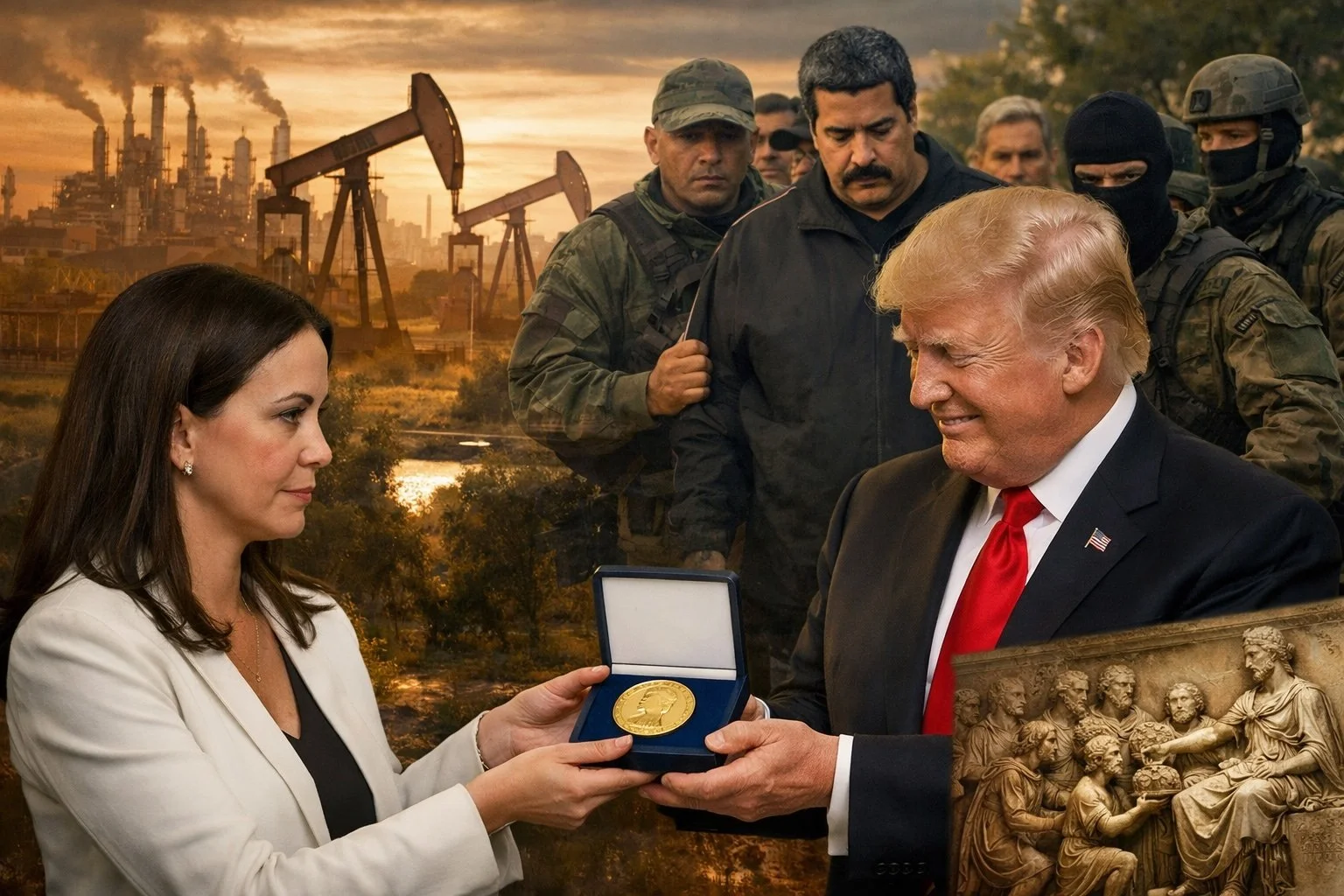
Venezuelan opposition leader María Corina Machado has handed her Nobel Peace Prize medal to Donald Trump at the White House, presenting it as recognition of his ‘commitment to Venezuela’s freedom’. The symbolism is elegant. The reality is not.

A Death Without Compassion
When power rushes to certainty before evidence — and compassion is treated as expendable — belief replaces thought, and a human life disappears from view.

History Isn’t Objective — and Pretending It Is Is Dangerous
I’ve recently completed my second historical fiction novel, The Silence of the White Shadow, set in Victorian Britain. That means my desk — and my head — are cluttered with research: industrial towns, social reformers, courtroom dramas, even the odd ship’s manifest.
Russell Warned Us About Fools and Fanatics
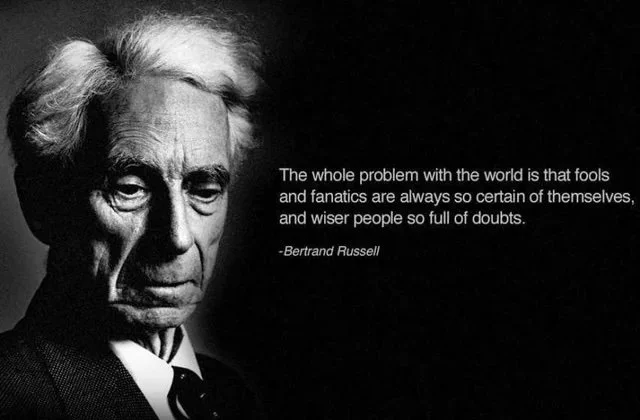
I’ve been interested in philosophy and the meaning of life for decades. One philosopher I admire greatly is Bertrand Russell. Born in south Wales and buried a few miles from my home in north Wales.
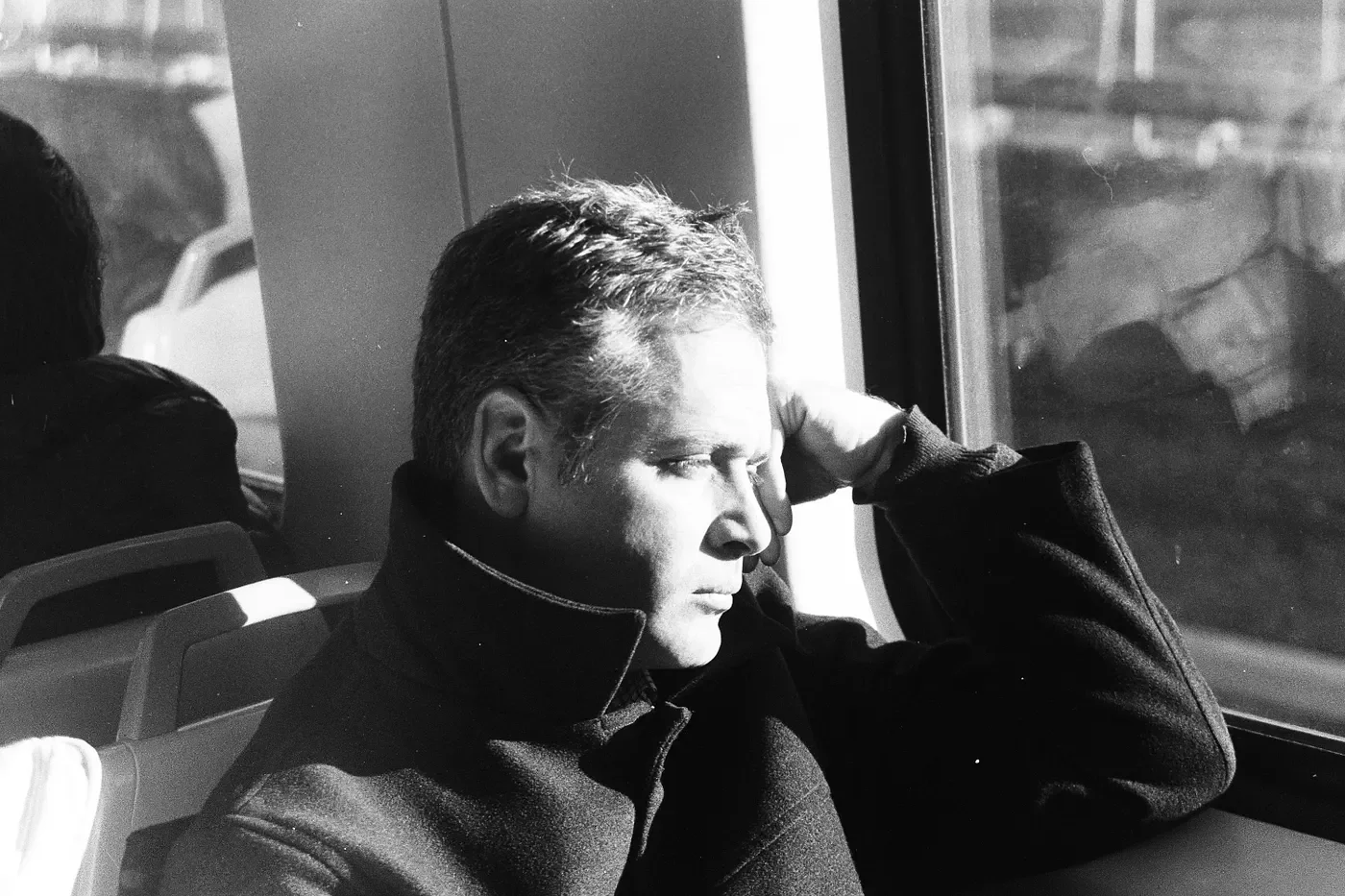
Wittgenstein in the Age of Social Media
Wittgenstein wrote one of the most challenging books on philosophy to read. This is a simple guide.
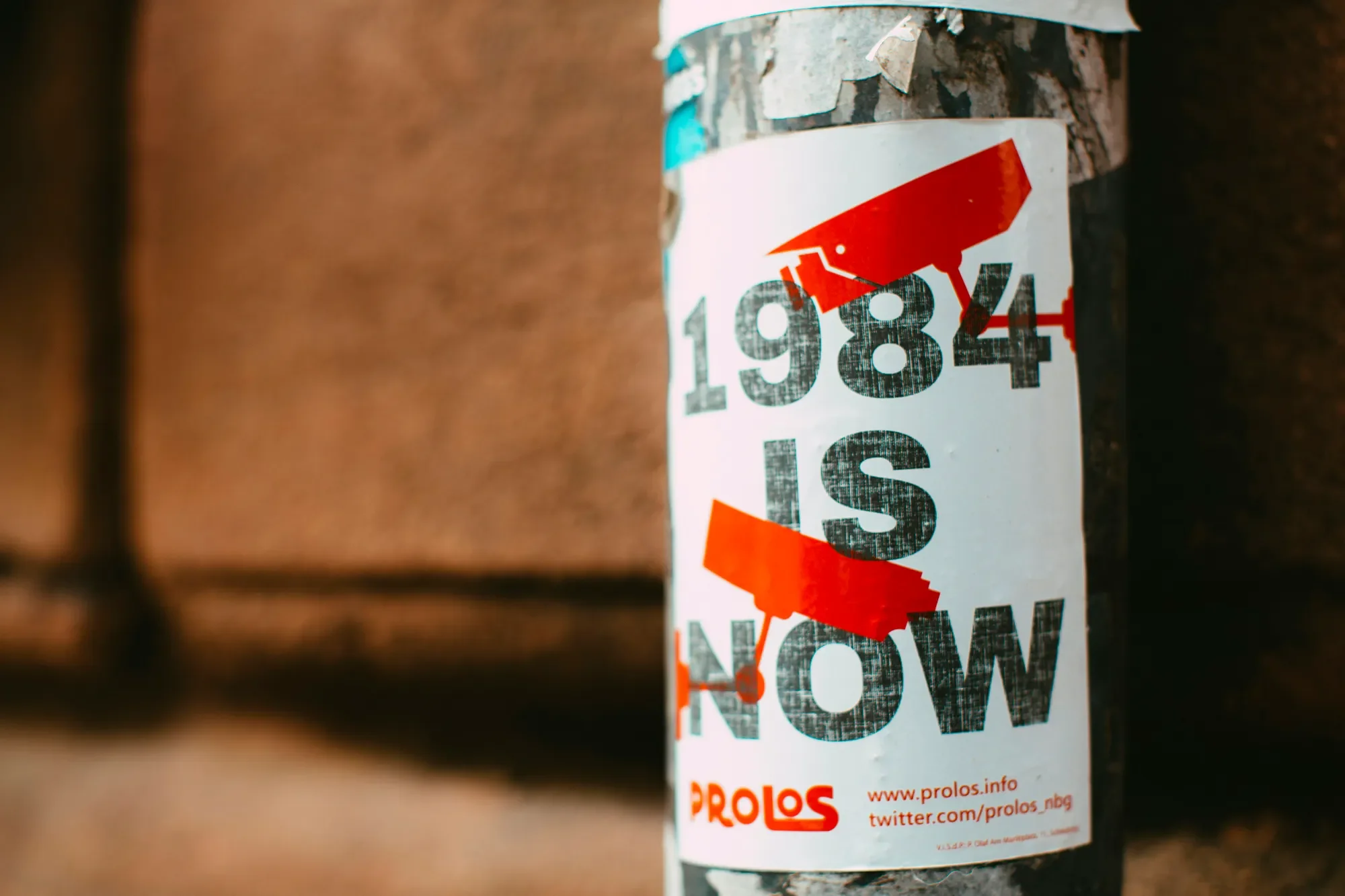
Orwell in the Age of Trump
In 1949 George Orwell wrote what many consider his masterpiece, 1984. What can it teach us about what’s happening in the world today?
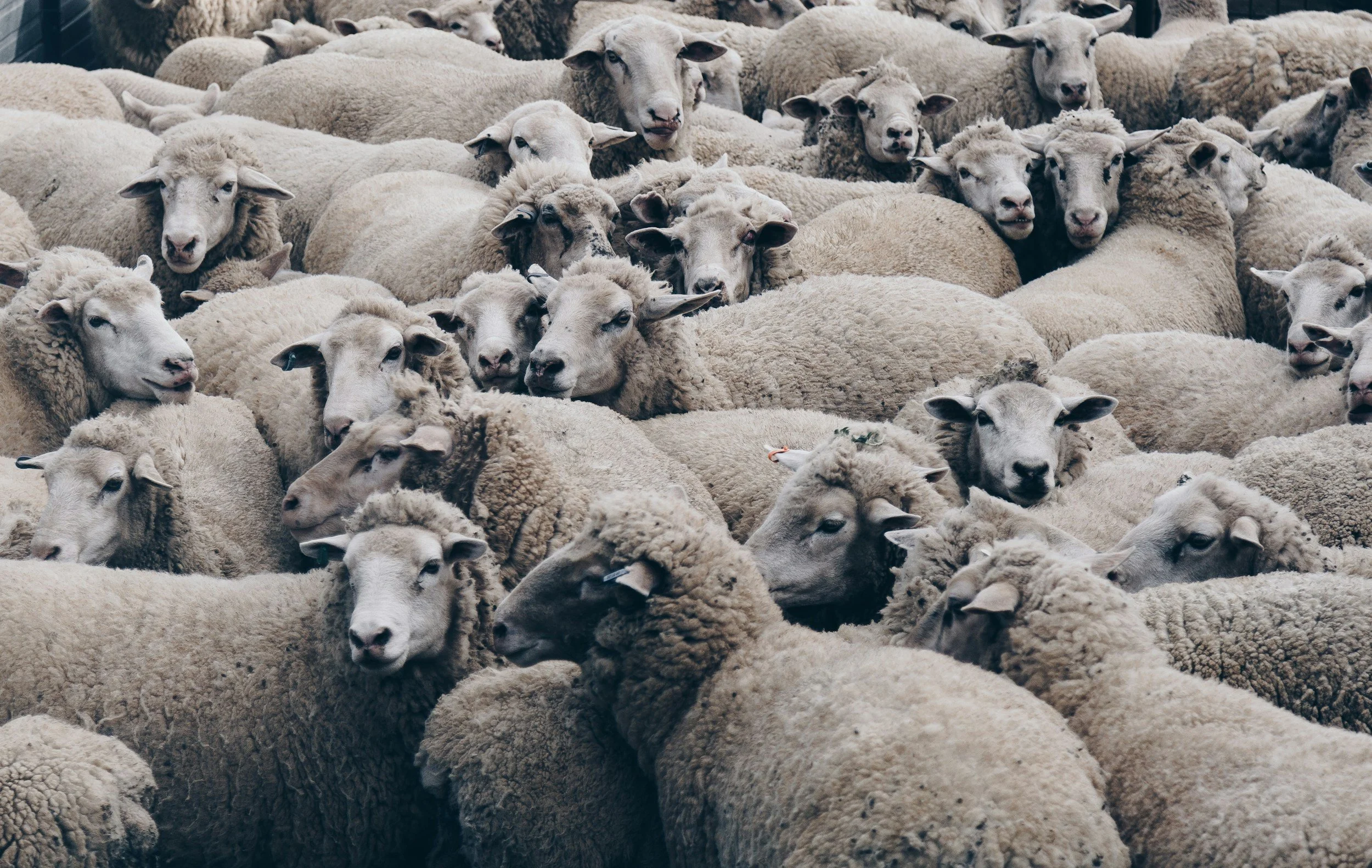
The Age of Collective Stupidity
I lived through the dotcom bubble — hype and “expert” consensus shot stocks sky-high. I sold early and was called crazy… until the crash erased fortunes. In hindsight, it was global collective folly.
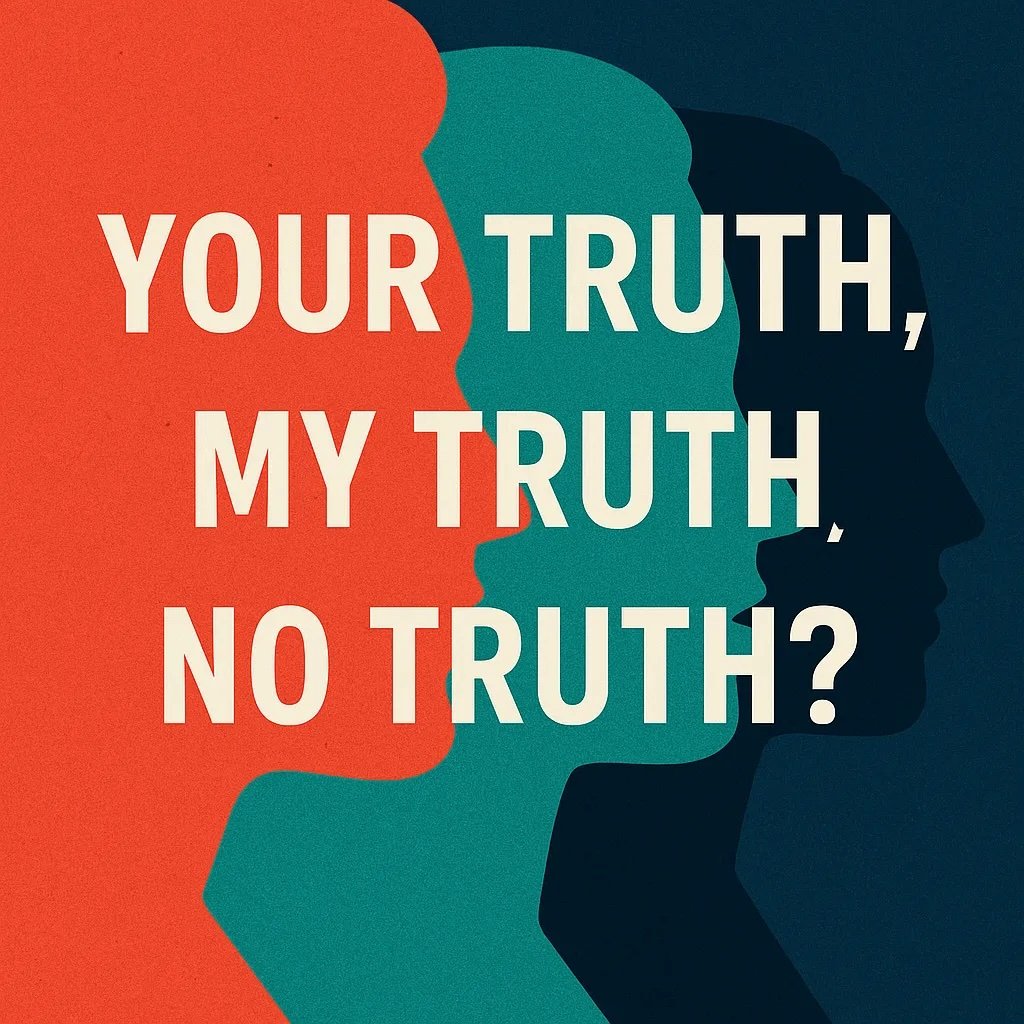
Your Truth, My Truth, No Truth?
In a world drowning in half-truths and curated realities, can we still agree on what’s true—or does truth even matter anymore?
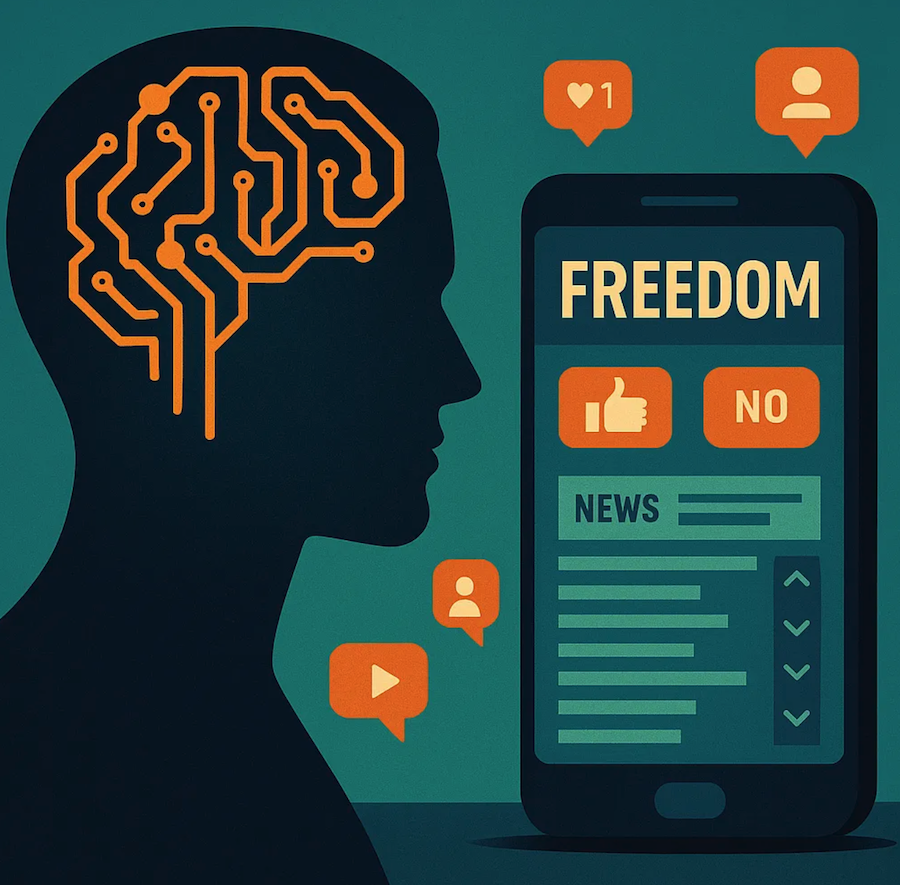
Freedom in a World of Algorithms
Are you truly free, or steered by unseen nudges? This piece examines how power now shapes us via algorithms, feeds, and distractions. Drawing on Rousseau, Berlin, Foucault, and Sartre, it asks: in a world built to predict and guide behavior, is freedom still possible? Stay curious. Question the feed. Real freedom begins when we think beyond what’s handed to us.
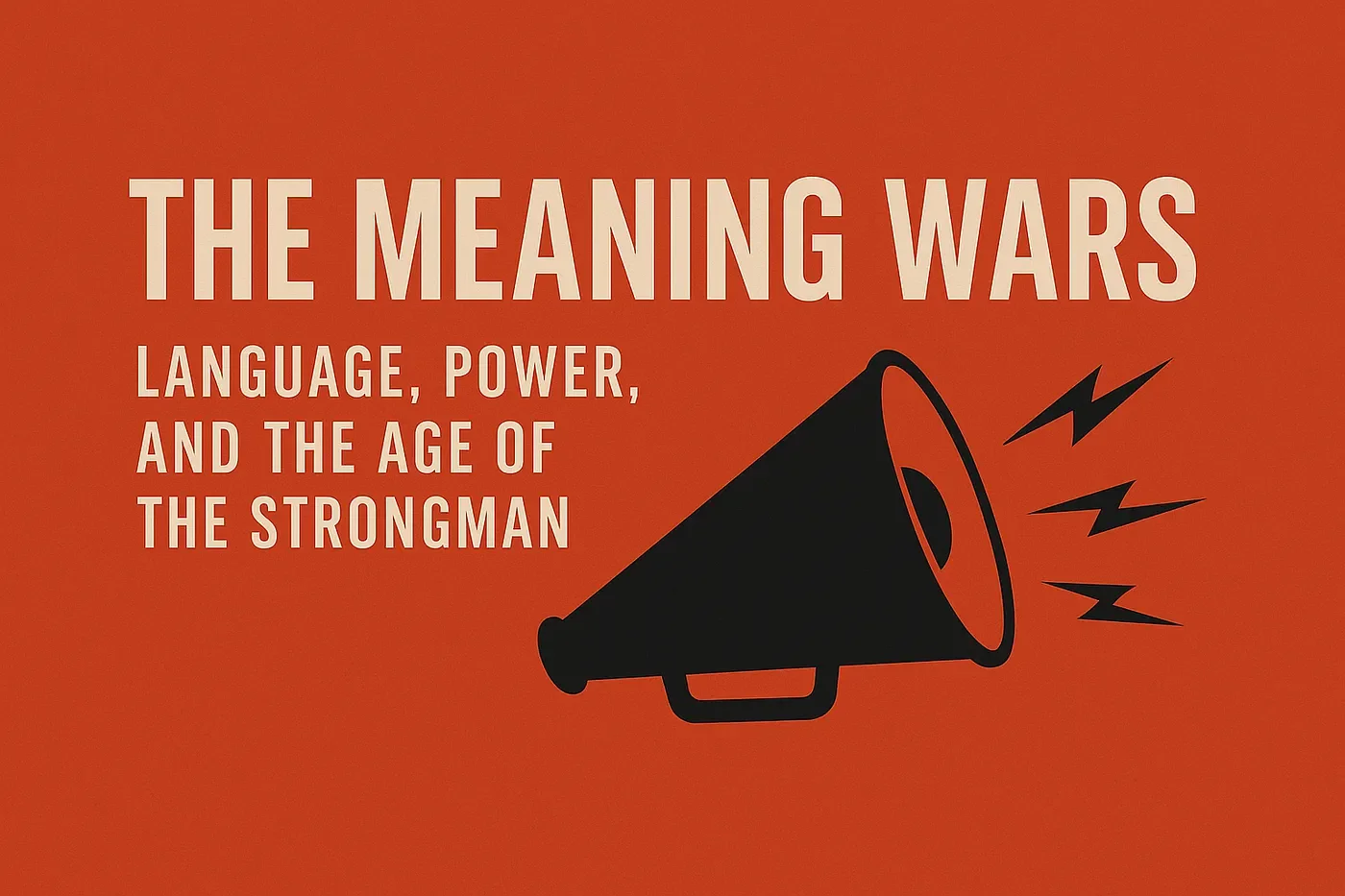
The Meaning Wars
From “fake news” to “special military operations,” this is how political language is quietly reshaped to suit those in power — and why the change matters for how we understand truth and authority.
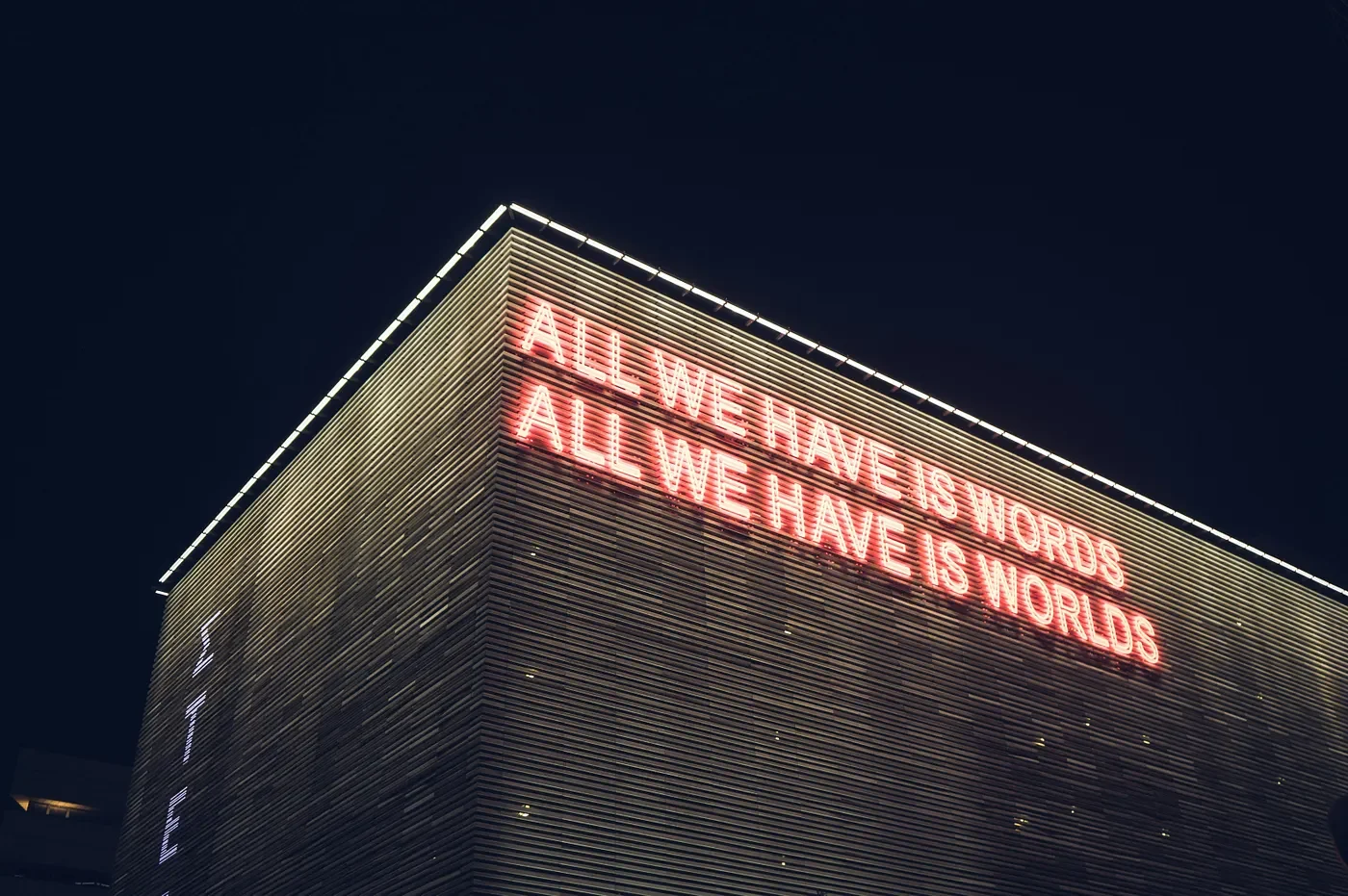
Why Words Have Lost Their Meaning
Ludwig Wittgenstein is hard to understand. He was a puzzling, exacting thinker who profoundly changed how we see language, especially how words acquire meaning and how ordinary language shapes our view of the world.