
When a Story Doesn’t End
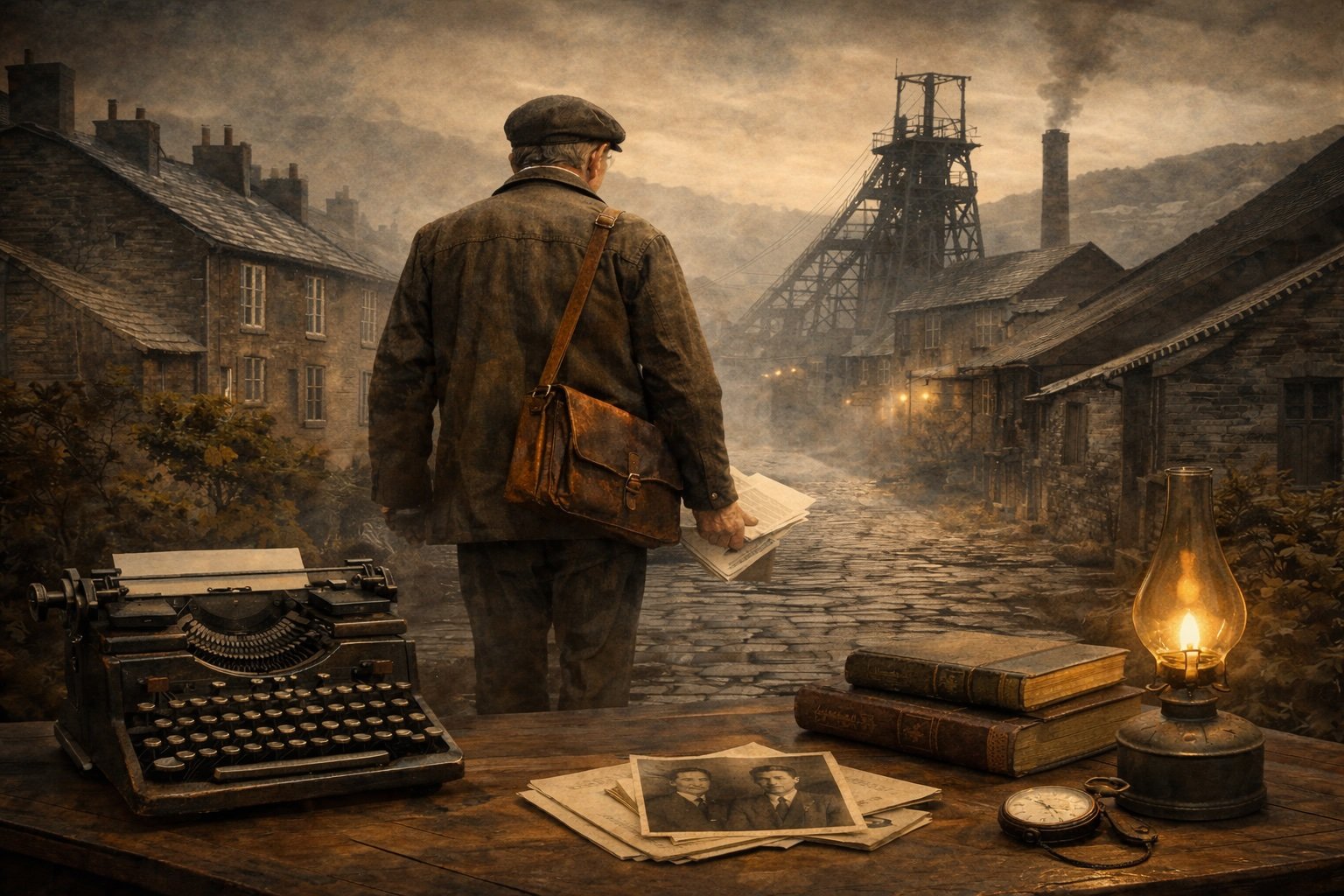
When I retired from corporate life at seventy, I needed to fill the space it left behind.
I had dabbled in photography for decades and built up thousands of images from all over the world. I even produced a few coffee-table books. But in recent years it had lost its pull. I found myself short of inspiration, reluctant to go out and make the images at all.
Writing, on the other hand, had always been there. Proposals, sales documents, messages. Words had paid my way for more than forty years. So I began to wonder whether there might be a novel in me after all.
But what could I write about? What did I really know?
I’ve always been drawn to history, psychology and philosophy. To trying to make sense of life. And I grew up in a mining village in South Wales. My father and grandfather were miners, and as a student I worked in coal yards to support myself through university.
I once read the familiar advice: write about what you know. That was the spark that led me to write my first novel, Unseen Souls.
I immersed myself in memory and research and began writing every day. It felt organic, almost inevitable. I wanted to know what happened next, and that curiosity pulled me forward.
Unseen Souls eventually reached 530 pages. I loved writing it. I still dislike the business of promoting it.
What I didn’t expect was what came after.
I hadn’t planned to start the sequel just yet. There were other ideas waiting. Other projects that might have been more sensible.
But the truth is simpler than that. The characters wouldn’t leave me alone.
They stayed with me after I closed the document. They appeared while I was walking, reading, half-listening to the news. My wife would ask, ‘What have Eliza or Ned been up to today?’ We spoke about them as if they were real. In a way, they were.
I found myself wondering not what should happen next, but what did happen, as though their lives were unfolding somewhere beyond the page, and I was merely catching up.
That, I think, is one of the quiet truths of writing fiction. When it works, characters stop feeling like inventions and begin to feel like people. People shaped by forces larger than themselves. Poverty. Class. Labour. Illness. Belief.
You don’t control them so much as listen.
I write historical fiction grounded in real lives and real conditions. The scaffolding is real. The places existed. The industries existed. The suffering existed. But the inner lives must be imagined with care and humility.
Perhaps that is why the bond can feel so strong. You are not just telling a story. You are carrying something forward.
When a character feels alive, continuing the story does not feel like a creative decision. It feels like a responsibility. Not a burden, but something closer to obligation. As though stopping would be a kind of abandonment.
I suspect many writers recognise this, even if they rarely speak about it. The moment when a book ends, but the people in it do not.
So I have begun the sequel. Not because of a plan or a deadline, but because the characters were still there, waiting.
And that feels like reason enough.
Unseen Souls began as an attempt to understand the lives and histories I grew up alongside. I suspect it will not be the last time I return to that ground.